Navigating Forex Trading Landscape in Honolulu: A Strategic Approach
The global nature of the Foreign Exchange (Forex) market often obscures local presence, making it challenging to identify specific individuals or entities engaged in forex trading within a city like Honolulu. For investors, aspiring traders, or businesses considering local partnerships, understanding how to strategically pinpoint and evaluate potential forex resources is crucial for optimizing ROI and mitigating risk.
Understanding the Local Forex Landscape and Why It Matters
Forex trading, by its very essence, is a decentralized, global market operating 24/5. This characteristic means that while the market itself isn’t tied to any single geographic location, the individuals and entities participating in it reside within local communities. In a vibrant economic hub like Honolulu, finding local forex traders isn’t about uncovering a physical trading floor, but rather identifying individuals, wealth management firms, financial advisors, or educational groups that either actively trade forex, manage forex-exposed portfolios, or offer related services and education. The strategic importance of identifying local resources lies in the potential for personalized mentorship, networking opportunities, local market insights (however subtle), and the comfort of face-to-face interaction for due diligence, which can be invaluable for informed decision-making. While the direct market mechanisms are global, the support, education, and advisory aspects can benefit significantly from a localized approach, particularly for those new to the market or seeking tailored guidance.
From an ROI perspective, engaging with a local, credible resource can reduce the learning curve, provide access to proven risk management strategies, and help in avoiding common pitfalls that often lead to capital loss. This initial investment in local knowledge or mentorship can yield substantial returns by preserving capital and accelerating proficiency. However, it’s essential to recognize that the primary benefits are often in guidance and community, rather than exclusive local market advantages, as forex price action is globally driven.
Strategic Methods for Identifying Local Forex Resources
Identifying forex resources in a specific locality like Honolulu requires a multi-pronged strategic approach, moving beyond simple online searches to leverage professional networks and community platforms. Begin by exploring professional financial associations and wealth management firms in Honolulu; many financial advisors, while primarily focused on broader portfolio management, may offer or have expertise in currency-hedging strategies or direct forex exposure for high-net-worth clients. It’s crucial to inquire specifically about their regulatory status and experience with forex instruments.

Online professional networking platforms, such as LinkedIn, can be powerful tools. Use geo-targeted searches for roles like “forex trader Honolulu,” “financial analyst Hawaii,” or “investment manager Honolulu.” Review profiles for specific mentions of currency trading, foreign exchange, or global markets. Additionally, look for local business meetups, investment clubs, or finance-oriented community groups, often advertised on platforms like Meetup.com or through local chambers of commerce. These forums provide invaluable opportunities for informal networking and can lead to connections with active traders or educators who may not have a prominent online presence. Remember to approach these interactions with a clear objective: to gather information, understand methodologies, and assess potential alignment with your strategic goals, always maintaining a critical perspective on unsolicited advice or promises.
Due Diligence and Risk/Benefit Analysis for Local Forex Engagement
Engaging with any financial professional or resource, particularly in a high-leverage market like forex, demands rigorous due diligence and a comprehensive risk/benefit analysis. Your decision-making framework should prioritize capital preservation and realistic ROI expectations. When evaluating potential forex partners or mentors in Honolulu, start by verifying their regulatory standing. In the U.S., forex brokers and anyone managing client funds for forex trading should be regulated by the Commodity Futures Trading Commission (CFTC) and be members of the National Futures Association (NFA). For financial advisors, check their registration with the SEC or state securities regulators.
Scrutinize their transparency regarding fees, commissions, and performance history. Any legitimate professional will provide clear disclosures and avoid guaranteeing returns, as forex markets are inherently volatile. Analyze their risk management philosophy: do they emphasize capital protection, set clear stop-loss limits, and educate on appropriate position sizing? A robust risk management framework is a non-negotiable benefit. Conversely, the primary risk lies in engaging with unregulated entities or individuals promising unrealistic profits, which can lead to significant financial loss. The benefit of a local connection should be tangible: enhanced learning, access to verified expertise, and a trusted advisory relationship that aligns with your financial objectives and risk tolerance, providing a superior ROI through informed trading decisions and reduced exposure to fraud.
Key Considerations When Vetting Forex Resources
- Regulatory Compliance: Verify licenses with relevant authorities (CFTC, NFA for brokers; state securities boards for advisors).
- Performance Transparency: Demand verifiable, ideally audited, track records and clear risk disclosures. Beware of unverified claims.
- Fee Structure Clarity: Understand all costs: spreads, commissions, management fees, and their impact on net returns.
- Risk Management Philosophy: Assess how they approach risk, capital preservation, and drawdown limits.
- Educational & Support Resources: Evaluate the quality of information, training, or ongoing support provided.
- Client Testimonials & References: Seek independent reviews and, if possible, speak with current or past clients.
- Alignment of Objectives: Ensure their service offering genuinely matches your investment goals and risk tolerance.
Common Mistakes to Avoid
- Chasing Unrealistic Returns: Falling for promises of guaranteed or exceptionally high, fast profits without commensurate risk.
- Neglecting Due Diligence: Failing to verify credentials, regulatory status, or track records of individuals or firms.
- Overlooking Risk Management: Entering the market or engaging a service without a clear understanding and acceptance of potential losses.
- Ignoring Fee Structures: Underestimating the long-term impact of high or opaque fees on overall profitability.
- Solely Relying on ‘Gurus’: Trusting a single individual’s advice without independent research or diverse perspectives.
- Misunderstanding Leverage: Employing excessive leverage without fully grasping its potential to amplify both gains and losses.
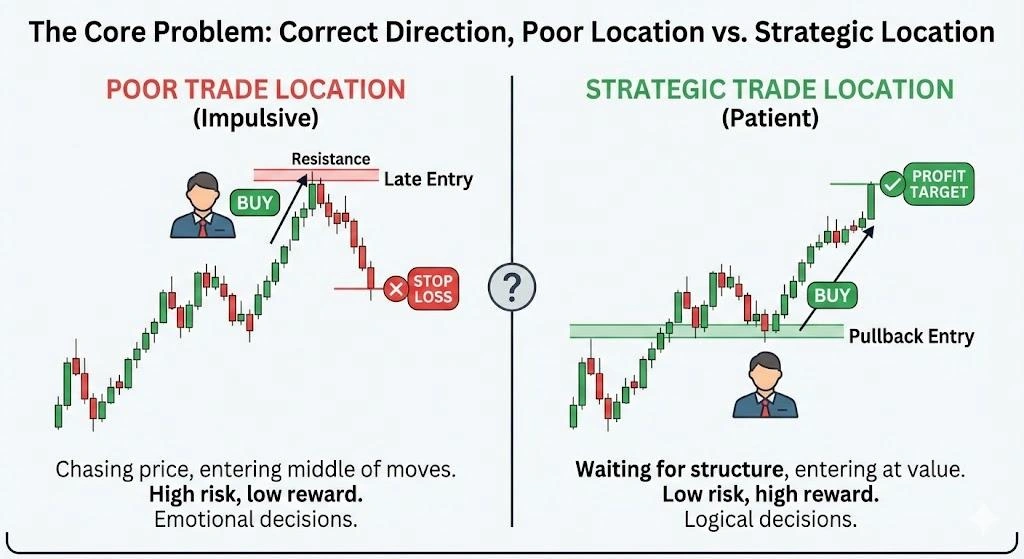
- Emotional Trading/Decision-Making: Allowing fear, greed, or anecdotal evidence to override a disciplined, data-driven strategy.
FAQ Section
How important is local presence for forex trading?
While forex is a globally traded, highly liquid market accessible online from anywhere, a local presence can be valuable for networking, mentorship, and finding regulated financial advisors who incorporate forex into broader wealth management. It’s not essential for direct trading but can enhance learning, community engagement, and provide a trusted local point of contact, which can indirectly contribute to better decision-making and ROI over time.
What regulatory considerations are there for local forex activities?
In the U.S., forex brokers must be regulated by the CFTC and be members of the NFA. Anyone offering managed forex accounts or providing investment advice for a fee must typically be a registered investment advisor (RIA) with state or federal authorities. Always verify credentials thoroughly with the relevant bodies to ensure compliance and investor protection, especially when seeking local services.
Can I find mentorship or educational resources in Honolulu for forex?
Yes, while a dedicated "forex academy" might be less common than in larger financial hubs, you can seek out financial education workshops, local business groups that discuss investment, or individual financial coaches. Online resources, however, typically offer a broader and more structured range of forex educational content and mentorship programs. Local meetups (e.g., via platforms like Meetup.com) can also connect you with fellow traders and offer community-driven learning opportunities.