
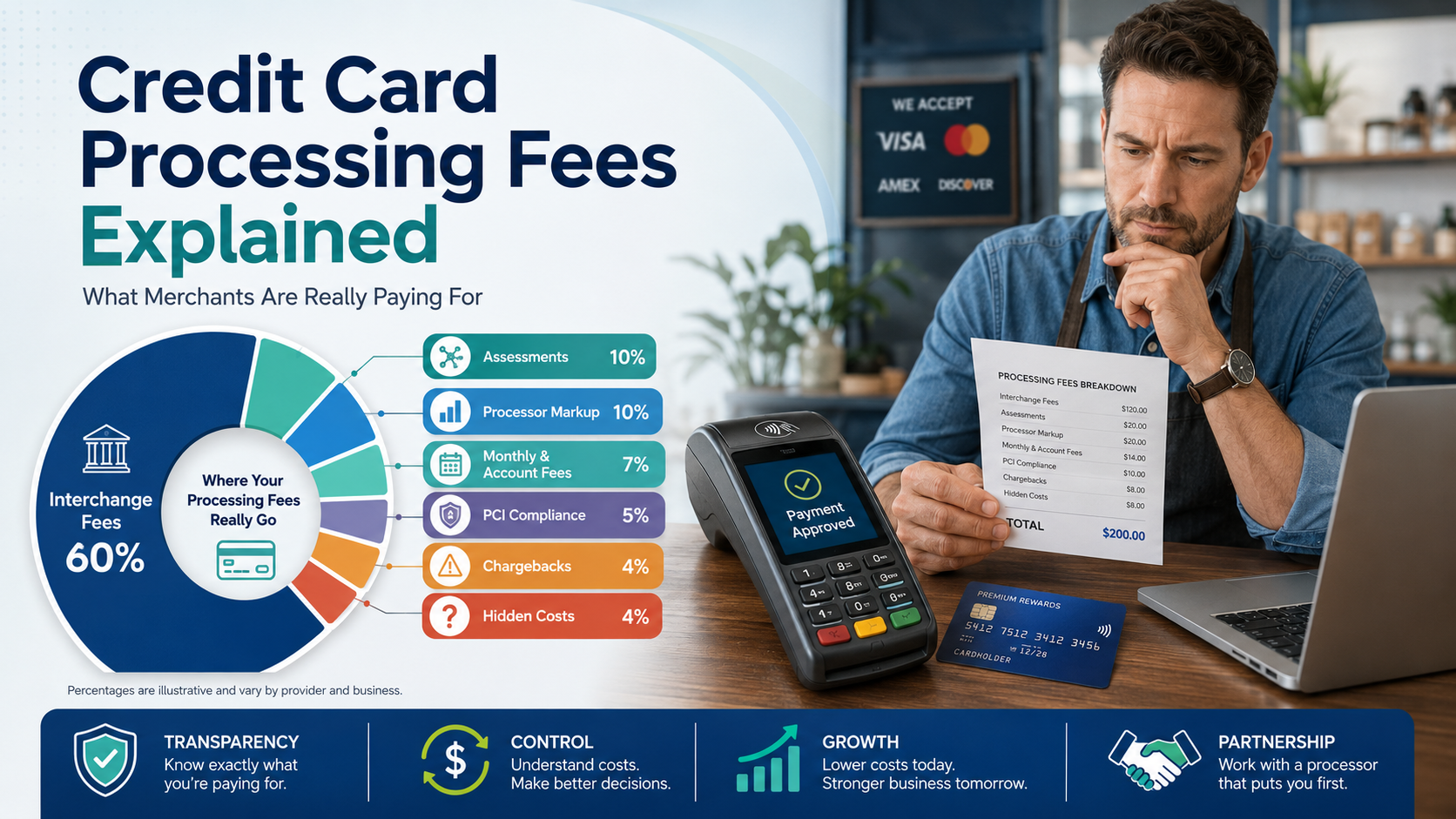
Deconstructing Credit Card Costs: A Strategic Consumer Overview
Credit cards are indispensable financial tools, offering convenience and flexibility. However, their utility comes with a complex architecture of charges that can significantly impact a consumer’s financial health if not fully understood. This analysis will dissect primary mechanisms through which credit card issuers levy costs, providing a framework for informed financial management and strategic decision-making.
The Cornerstone of Cost: Interest Rates and APR
The most significant charge consumers face is interest, quantified as the Annual Percentage Rate (APR). APR is the yearly rate for borrowing money, predominantly referring to interest on outstanding balances. Issuers utilize various methodologies for calculating interest, leading to substantial cost differences. The Average Daily Balance (ADB) method calculates interest based on the average balance each day, accounting for payments made. A contrasting, though less common, Two-Cycle Average Daily Balance method considers balances from current and previous cycles, potentially inflating interest. Understanding your issuer’s method is paramount. Consumers paying in full monthly avoid interest, leveraging the grace period. Those who revolve a balance will find interest accumulating daily, making APR a critical factor.

Beyond Interest: Annual Fees and Transactional Charges
Beyond interest, consumers encounter various fixed and variable fees. Annual fees are charged yearly for holding certain cards, typically associated with premium cards offering substantial rewards or perks. The justification for an annual fee involves a cost-benefit analysis: do benefits outweigh the charge? For those not fully utilizing perks, a no-annual-fee card is often more economical.
Various transactional charges also inflate costs. Foreign transaction fees, 1% to 3% of the amount, apply to international purchases. For frequent travelers, cards waiving these are essential. Cash advance fees are costly, typically a percentage of the withdrawal plus immediate interest accrual without a grace period. Balance transfer fees, usually 3% to 5% of the transferred amount, are incurred when moving debt. While useful for debt management, the upfront fee must be weighed against interest savings.
The Penalty Paradigm: Late Payments and Over-Limit Fees
Credit card usage requires timely payments and adherence to limits; breaches incur penalty fees. Late payment fees are triggered when payment is not received by the due date. These fees are regulated, with maximums often tiered. Beyond the immediate financial penalty, a late payment severely impacts a consumer’s credit score, affecting future borrowing.
Over-limit fees are now significantly curtailed. Under the CARD Act of 2009, issuers cannot charge an over-limit fee unless the cardholder explicitly opted in. If opted in, a fee is charged when the limit is surpassed; otherwise, transactions exceeding the limit are declined. The choice between allowing over-limit transactions (and fees) or having purchases declined requires assessing spending habits. Proactively managing balances or using automated payment alerts mitigates these costs.
Strategic Choices: Optimizing Credit Card Usage
Navigating credit card charges demands a strategic approach, tailored to individual spending patterns and financial goals. For those paying balances in full, focus shifts to maximizing rewards, potentially justifying annual fees. Consumers anticipating carrying a balance should prioritize cards with the lowest APR, as high interest can negate rewards.
Leveraging distinct card types is effective: a no-foreign-transaction-fee card for travel, or a 0% introductory APR balance transfer card for debt reduction. Proactive statement monitoring and understanding the grace period are fundamental. By aligning card selection with personal finance behaviors and remaining vigilant against avoidable fees, consumers transform credit cards from liabilities into powerful financial instruments.
Key Strategies for Minimizing Credit Card Costs:
- Always pay your full statement balance by the due date to avoid interest and late fees.
- Understand your card’s APR, especially if you anticipate carrying a balance.
- Avoid cash advances; they accrue interest immediately and incur high upfront fees.
- Opt-out of over-limit transactions to prevent associated fees and manage spending.
- Regularly review statements for accuracy and unauthorized charges.
- Consider no-annual-fee cards unless premium benefits clearly outweigh the cost.
- Negotiate annual fees or ask for a product change if benefits no longer justify the cost.
Common Mistakes to Avoid:
- Only paying the minimum payment, leading to prolonged debt and increased interest.
- Ignoring foreign transaction fees when traveling or shopping internationally.
- Failing to review monthly statements, potentially missing errors or fraud.
- Accumulating multiple high-interest balances across different cards without a clear repayment strategy.
- Missing payment due dates, incurring late fees and negatively impacting credit scores.
Is it possible to avoid all credit card fees?
While difficult to avoid every conceivable fee, most consumers can avoid the vast majority, particularly interest and common penalty fees. Consistently paying the full statement balance on time avoids interest. Selecting a no-annual-fee card and avoiding specific transactions like cash advances or foreign currency purchases (unless using a fee-free card) eliminates those charges. Diligent management and strategic card selection are key to a near fee-free experience.
How do credit card reward programs relate to charges?
Reward programs are linked to issuer revenue from interest and merchant interchange fees. While offering benefits, they encourage spending, which, if not managed, can lead to carrying a balance and incurring interest. Premium reward cards often have annual fees, a direct charge. Reward value must be weighed against these direct charges and potential interest costs if balances aren’t paid in full.
When should a consumer consider a balance transfer?
A consumer should consider a balance transfer when seeking to manage high-interest credit card debt, especially with an introductory 0% APR offer. This provides a window to pay down principal without additional interest. However, it must be part of a disciplined repayment plan, considering the transfer fee and ensuring the new balance can be significantly reduced or paid off before the introductory APR expires.
Verdict and Recommendation:
Credit cards’ financial utility is undeniable, yet their cost structure demands sophisticated consumer understanding. The true cost extends beyond APR, encompassing annual, transactional, and penalty fees. Proactive management—choosing cards wisely, meticulous payment management, and understanding fee structures—leads to lower costs. A passive approach results in elevated financial burdens. Our recommendation is for consumers to adopt an assertive, informed stance: understand your card’s terms, strategize payments to avoid fees, and consistently evaluate your card’s alignment with financial interests. Leveraging credit cards strategically is the most robust path to financial empowerment.